
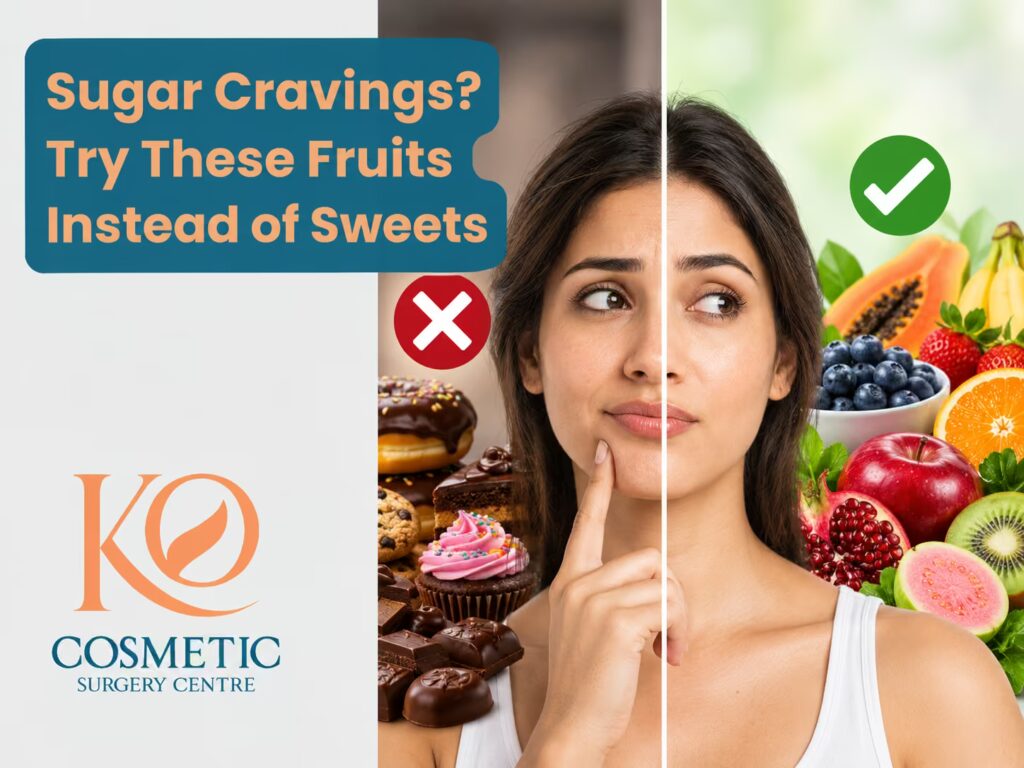
Trying to cut down on sugar but suddenly craving something sweet? You don’t have to completely avoid sweet-tasting foods. Whole fruits can be a better alternative to sweets and sugary snacks, while also providing fiber, vitamins, minerals, and antioxidants. Some good options include guava, apple, orange, papaya, watermelon, pomegranate, pear, kiwi, strawberries, muskmelon, mango, and banana.
But here’s the important question: How much fruit should you actually eat in a day? Which fruits are better when you’re trying to control calories? And are bananas and mangoes really something you need to avoid?
Let’s look at the answers below.
What Happens When You Cut Down on Added Sugar?
When you reduce foods and drinks containing added sugar, you may notice changes in your eating habits. If you’re regularly consuming sweets, soft drinks, desserts, sweetened tea or coffee, reducing them can also reduce your overall calorie intake.Some people may experience stronger cravings for sweet foods at first, especially if they are used to having sugary foods regularly.Over time, choosing more balanced meals and snacks can make it easier to manage these cravings.
It’s important to understand that cutting added sugar does not mean you need to eliminate naturally occurring sugars in whole fruits.
Can You Eat Fruits When You Are Avoiding Sugar?
Yes! If you’re trying to reduce added sugar, you don’t necessarily need to stop eating whole fruits.
Whole fruits naturally contain sugar, but they also provide fiber, water, vitamins, minerals and beneficial plant compounds. The fiber and the physical structure of whole fruit slow down digestion and the release of its carbohydrates compared with drinking the same fruit as juice.
Why Is Whole Fruit Better Than Fruit Juice?
If you’re cutting down on added sugar, don’t replace sweets with fruit juice.
When fruit is juiced, much of the fruit’s physical structure is broken down, making it much easier to consume a larger amount quickly. As a result, the sugars from juice can enter the bloodstream more quickly than when you eat the whole fruit.
For example, eating an orange means you’re chewing the fruit and consuming its fiber. Drinking orange juice allows you to consume the juice from several oranges much more quickly.So, if your goal is to reduce added sugar and manage blood-sugar rises, choose the whole fruit rather than fruit juice.
You don’t need to be afraid of the natural sugar in whole fruit. Instead, focus on portion size and choosing the whole fruit with its fiber intact.If you’re trying to cut sugar, there’s little benefit in replacing sweets and sugary drinks with large amounts of fruit juice. Eat the fruit, don’t drink it.
Best Fruits for Sugar Cravings
When you want something sweet, choose a whole fruit instead of immediately reaching for chocolate, sweets, biscuits or sugary drinks.
Here are some options:
| Fruit | Suggested Portion | Approx. Calories |
| Guava | 1 medium | ~100 kcal |
| Apple | 1 medium | ~80–95 kcal |
| Orange | 1 medium | ~60–70 kcal |
| Papaya | 1 cup | ~60 kcal |
| Watermelon | 1–2 cups | ~45–90 kcal |
| Pomegranate | ½–1 cup | ~65–145 kcal |
| Pear | 1 medium | ~95–105 kcal |
| Kiwi | 1–2 fruits | ~45–90 kcal |
| Strawberries | 1 cup | ~45–50 kcal |
| Muskmelon | 1 cup | ~50 kcal |
| Mango | ½ cup | ~50–55 kcal |
| Banana | 1 small | ~90 kcal |
Calories are approximate and can vary depending on fruit size and variety.
How Much Fruit Should You Eat Per Day?
For many healthy adults, around two servings of whole fruit per day is a simple practical target.
However, there isn’t one exact amount that is suitable for everyone. Your needs can depend on your overall diet, calorie requirements, activity level and individual health.
A serving can be approximately:
- 1 medium apple
- 1 medium orange
- 1 medium guava
- 1 small banana
- 1 cup papaya
- 1 cup muskmelon
- 1 cup watermelon
- ½–1 cup pomegranate
You don’t need to eat all of these fruits in one day.
Instead, choose different fruits throughout the week to add variety to your diet.
Which Fruits Are Good for Evening Sugar Cravings?
Evening is a common time for people to reach for sweets, biscuits, cakes or other snacks.
If you feel like eating something sweet, you can choose a portion of:
1. Guava
Guava is a good source of fiber and vitamin C. A whole guava can be a satisfying option when you want something sweet and crunchy.
2. Apple
An apple is convenient, portable and easy to include as an afternoon or evening snack.
3. Papaya
Papaya has a naturally sweet taste and high water content, making it a light fruit option.
4. Orange
An orange provides sweetness along with water and vitamin C. Eating the whole fruit is preferable to drinking orange juice.
5. Watermelon
Watermelon contains a high proportion of water and can be refreshing, particularly in hot weather.
What About Mango? Can You Eat It While Cutting Sugar?
You don’t necessarily need to completely avoid mango.Mango contains naturally occurring sugar, but it can still fit into a balanced diet. The main point is portion size.Instead of eating a very large quantity, have a smaller serving such as around ½ cup.The same principle applies to other naturally sweet fruits: you can enjoy them while being mindful of your overall food intake.
What About Bananas?
Bananas are also a nutritious fruit and don’t automatically need to be removed from your diet.A small banana can be used as a snack or included with a balanced meal.If you’re trying to lose weight, remember that portion size and your total daily calorie intake matter more than completely avoiding one particular fruit.
Whole Fruit vs Fruit Juice
When you’re trying to manage sugar cravings, whole fruit is generally a better choice than fruit juice.Why?Whole fruit provides fiber and requires chewing, which can make it more satisfying.Fruit juice, on the other hand, is much easier to consume quickly, and it’s possible to drink the equivalent of several fruits without feeling as full.
For example:
Better choice:
- Whole orange
- Whole apple
- Freshly cut papaya
- Guava
Limit:
- Sugar-added fruit juice
- Packaged fruit drinks
- Sweetened smoothies
- Soft drinks
Even 100% fruit juice can contribute a substantial amount of sugar and calories, so whole fruit is generally the more practical everyday option.
Can You Eat Fruit at Night?
There’s no universal rule that says you must avoid fruit after a particular time of day.If you’re hungry at night and want something sweet, a reasonable portion of whole fruit can be an option.What matters more is your overall daily diet and calorie intake, rather than simply whether you ate fruit in the morning or evening.
A Simple Daily Fruit Plan
If you’re looking for an easy way to include fruit in your routine, try something like this:
| Time | Option | Portion |
| Mid-morning | Apple / Guava / Orange | 1 serving |
| Evening | Papaya / Watermelon / Muskmelon | 1 serving |
You can change the fruits depending on what’s available and what you enjoy.
For example:
Day 1: Apple + Papaya
Day 2: Guava + Watermelon
Day 3: Orange + Muskmelon
Day 4: Pear + Papaya
Day 5: Guava + Pomegranate
Variety is more important than eating the same fruit every day.
What Should You Do When a Sugar Craving Hits?
Before reaching for a chocolate bar, sweet or soft drink, try this simple approach:
Step 1: Drink some water and check whether you’re actually hungry.
Step 2: If you still want something sweet, choose a whole fruit.
Step 3: Eat it slowly rather than consuming it quickly.
Step 4: If you’re still hungry, consider having a balanced snack containing protein or healthy fats along with your fruit.
This can help you build a more sustainable eating routine instead of relying on highly processed sugary foods.
Does Cutting Sugar Make You Lose Weight?
Reducing added sugar can contribute to weight loss when it reduces your overall calorie intake.For example, replacing regular soft drinks, sweets and desserts with lower-calorie choices may reduce the number of calories you consume.However, simply removing sugar doesn’t guarantee weight loss. Your overall food intake, physical activity, sleep, portion sizes and other lifestyle factors also matter.So, think of reducing added sugar as one part of a healthy eating pattern, rather than a magic weight-loss solution.
Important Difference: Added Sugar vs Natural Sugar
This is one of the most important things to understand.
Added sugar
Sugar added to foods or drinks during preparation or processing.
Examples include:
- Table sugar
- Sweetened soft drinks
- Cakes
- Biscuits
- Candy
- Many desserts
- Sweetened tea and coffee
Naturally occurring sugar
Sugar naturally present in foods such as:
- Whole fruits
- Milk
These foods also provide other nutrients.
So when someone says, “I’m quitting sugar,” it is useful to clarify whether they mean avoiding added sugar or avoiding all foods containing naturally occurring sugars.
Fruits Are Healthy, But Portion Still Matters
Fruit is nutritious, but that doesn’t mean you should eat unlimited quantities.If your goal is weight management, eating large quantities of any food can increase your overall calorie intake.
A simple approach is:
Choose whole fruit + control the portion + maintain a balanced diet.You don’t need to fear fruit simply because it tastes sweet.
What If You Have Diabetes?
If you have diabetes or another condition that requires blood-glucose management, don’t assume that you need to completely stop eating fruit.Whole fruit can often be included in a balanced eating plan, but the appropriate portion and carbohydrate intake can vary between individuals.If you have diabetes, prediabetes, or are taking medication that affects blood glucose, discuss your individual diet with your doctor or registered dietitian.
Final Takeaway
If you’re trying to reduce added sugar and suddenly get a sweet craving, whole fruit can be a simple alternative to sweets and sugary drinks.Good options include guava, apple, orange, papaya, watermelon, pomegranate, pear, kiwi, strawberries and muskmelon. Mango and banana can also be included when eaten in appropriate portions.For many healthy adults, around two servings of whole fruit per day is a practical starting point.
Most importantly, don’t focus only on eliminating one ingredient. Build an overall eating pattern that includes whole foods, adequate protein, vegetables, fruits, healthy fats and appropriate portions.
The goal isn’t to stop eating everything that tastes sweet. It’s to make better choices more consistently.